

 Facebook
 X
X
 Pinterest
 Copy Link
Will the Hostage Release Move San Diego Real Estate?
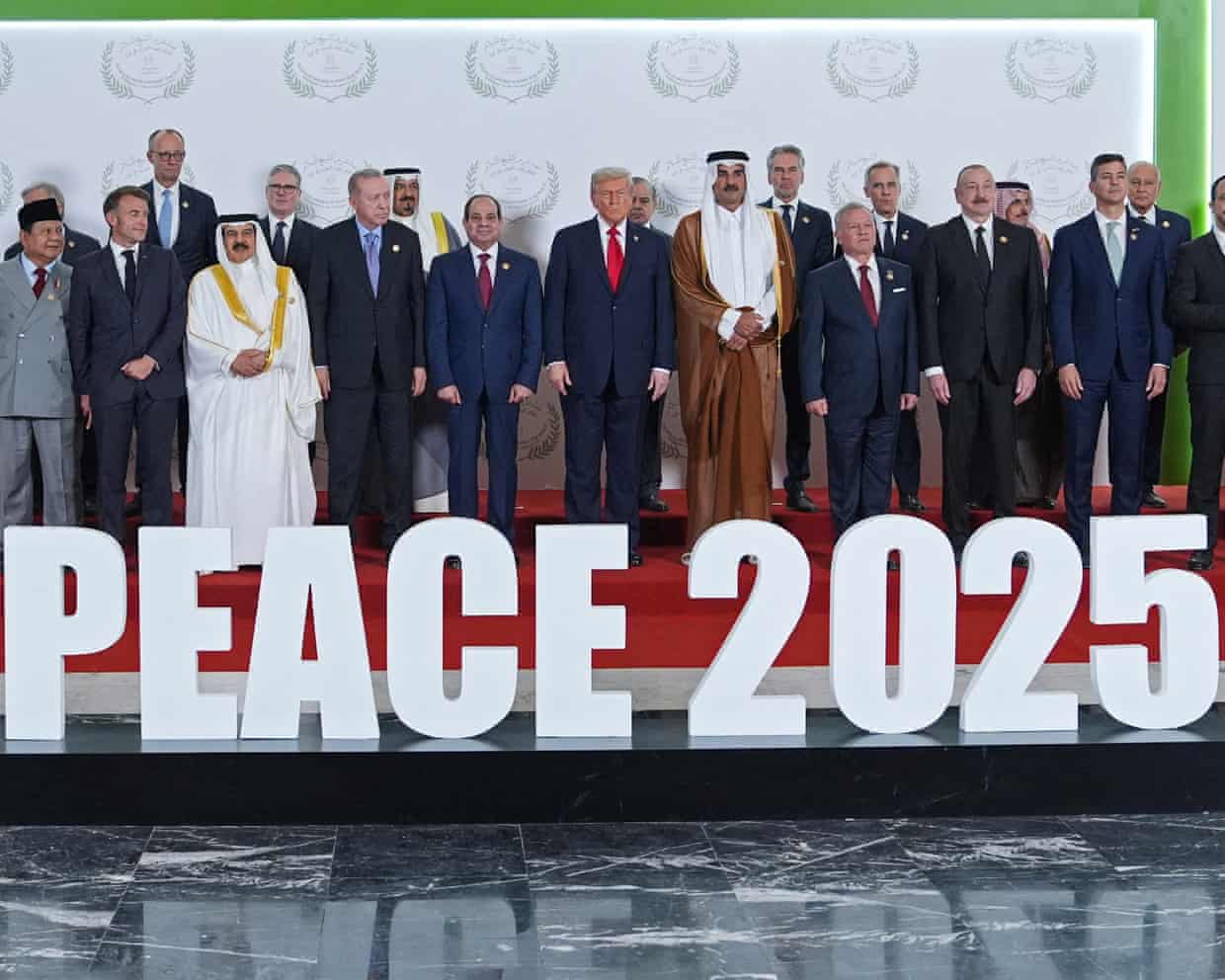
When dramatic geopolitical events make headlines — hostage releases, ceasefires, wars ending — it’s natural to wonder if there will be knock-on effects even in “local” markets like real estate in San Diego. But the connection is likely to be weak, or at least delayed. Here is a breakdown of how—and how much—it could matter.
Mechanisms through which it might have an effect
To assess potential impacts, it helps to think through the channels by which such an event could influence housing markets:
- Investor confidence & risk perception.
A successful diplomatic or peace development may slightly reduce geopolitical risk or global uncertainty. That might nudge broad investor sentiment upward. In turn, that could improve demand for “safe-ish” assets like real estate, particularly in stable, developed markets. - Capital flows / foreign investment.
If foreign investors feel more confident about global stability, they might be more willing to invest abroad (e.g. U.S. real estate). San Diego, with its coastal location, climate, and international ties, might get a share of that. But changes in foreign flows tend to be modest unless the broader investment climate shifts. - Exchange rates, interest rates & monetary policy.
If a geopolitical de-escalation contributes to easing in risk premia, global markets may react (rates, currencies). In the U.S., mortgage rates are a big driver of housing affordability and demand. So, if the event helps soften macro volatility, that could trickle into slightly lower rates or more stable credit conditions, indirectly benefiting real estate. - Sentiment / psychology.
Real estate is partly driven by confidence. If people feel more optimistic (jobs are secure, economy stable), they may be more likely to make big purchases. A positive international development might enhance that—but it competes with more dominant, local drivers (income, employment, supply constraints). - Direct local impacts (probably minimal).
Unless San Diego has some direct connection (e.g. many local residents or businesses tied to the region involved, or regulatory/migration changes linked to the event), the immediate local impact is likely negligible.
Why the effect would likely be small (or delayed)
In practice, several reasons suggest that the hostage release will not be a key driver of San Diego housing:
- Local fundamentals dominate. Housing markets move on jobs, wages, supply, interest rates, zoning, demographics, and credit availability. Those factors will almost always overshadow a geopolitical event’s indirect influence.
- Already existing market headwinds. In San Diego, and California broadly, the housing market is under strain from high mortgage rates, affordability constraints, limited supply, and cautious sellers. For example, new listings in San Diego have declined, and many sellers are pulling homes off the market rather than lowering price expectations.
- Delayed or muted capital flows. Foreign and institutional investors often take time to adjust allocations. Moreover, they must compare many markets, regulatory environments, tax regimes, exchange rates, etc. A hostage release is unlikely to dramatically shift those calculus.
- Risk of over-interpretation. It’s easy to see patterns where none exist. Real estate is sticky: trends can persist even when catalysts change.
What might happen in San Diego (plausible scenarios)
Here are some modest effects or paths one might watch, assuming a significant de-escalation or peace agreement unfolds:
- Slight uplift in buyer interest / inquiries. Alongside improved sentiment, you might see more “window shopping,” more people considering moves they had been delaying.
- Incremental foreign buyer pickup. San Diego already sees international and cross-border buyer interest. If confidence strengthens abroad, that interest might inch upward.
- Refinancing / interest rate sensitivity. If the geopolitical de-risking contributes to easing interest rates, more borrowers might refinance or qualify for mortgage improvements, lowering monthly costs and enabling more buyers.
- Delayed price stabilization. If demand strengthens slightly, it could help absorb inventory and prevent further downward pressure on home prices.
- Segmented effect by price tier. Luxury or high-end properties (frequently bought by investors or buyers with diversified portfolios) might see more sensitivity to “macro” shifts. The middle or entry-level market will remain more tethered to local income and borrowing constraints.
What to watch
If you want to track whether this kind of event is making a real difference in San Diego real estate, these indicators are worth watching:
- Mortgage interest rate trends
- Volume of new listings vs. delistings
- Days on market and absorption rates
- Foreign / out-of-state buyer share
- Price movements (median, by tier)
- Local job growth, wage growth, consumer confidence
Also, check for commentary from local realtors and brokers—if they begin referencing increased buyer interest tied to improved global sentiment, that might hint at a nascent effect.
Conclusion
While the release of hostages and related geopolitical developments can affect global financial sentiment, their direct influence on a local housing market like San Diego is likely to be modest, indirect, and spread over time. Local economic fundamentals—jobs, wages, interest rates, inventory, and regulations—will remain the primary levers driving real estate outcomes.
Steve Cardinalli
Real Estate Professional, 01323509
(760) 814-0248
Steve@Cardinalli.com
www.Cardinalli.com
Century 21 Affiliated Fine Homes & Estates
Village Faire in Carlsbad Village
300 Carlsbad Village Dr, 223
Carlsbad, CA 92008
Be the first to know about the market trend in your community at Neighborhood News


