

 Facebook
 X
X
 Pinterest
 Copy Link
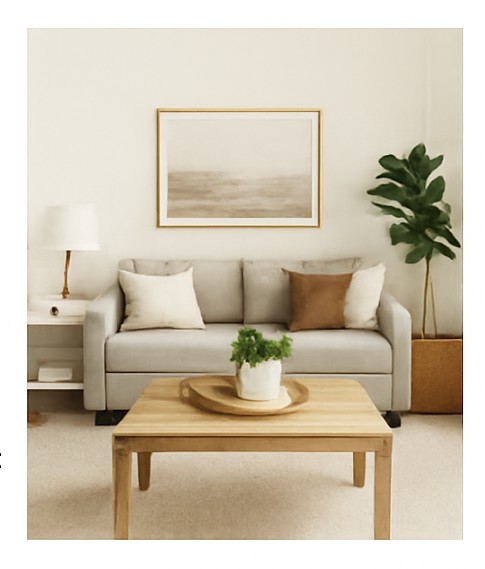
The Pros and Cons of Staging a Real Estate Listing — And When Using Your Own Furniture Makes Sense

When you’re preparing to list a home, staging is one of the most powerful tools in your marketing toolkit. But it’s not a one-size-fits-all solution. Here’s a balanced look at the advantages and trade-offs — plus a closer look at how using your own furniture (instead of rented staging pieces) can save money.
Why Stage Your Home? The Upside
- Make a Strong First Impression
First impressions matter — especially online. Staged homes create a warm, visually compelling story that helps buyers emotionally “move in.” - Sell Faster
Staged homes often spend less time on the market. According to stagers, a well-presented property accelerates buyer interest. - Potentially Higher Offers
Because a staged home feels more “ready to live in,” buyers may perceive it as more valuable — and submit stronger offers. - Better Listing Photos
Staging makes spaces more photogenic. With well-placed furniture, lighting, and decor, each room looks intentional — helping your online images stand out. - Highlights the Home’s Strengths / Minimizes Weaknesses
A good stager strategically draws attention to architectural features, flow, and usable space — while downplaying quirks or flaws. - Creates Competitive Edge
In a crowded market, staging can differentiate your listing. It signals that the property is cared for and professionally marketed, which can attract more serious buyers. - Strong ROI (Return on Investment)
Many sellers see staging pay off: for every dollar invested, they may recoup multiples through a faster sale, fewer price reductions, or higher offers.
The Trade-Offs: What to Watch Out For
- Cost
Staging isn’t free. If you hire a professional, the costs can add up, especially when factoring in furniture rental or labor. - Time & Logistics
There’s prep involved: decluttering, rearranging, possibly storing items, and coordinating with stagers. That takes time — and sometimes delays listing. - Risk of Over-Staging
You can go too far. If staging feels too artificial or over-designed, buyers may be turned off — it can make the space feel less “real.” - Maintenance During Showings
Once staged, you’ll need to keep things looking pristine — dusting, tidying, and sometimes rearranging back to the staged layout before showings. - Not Always Necessary
In very hot markets, or for certain property types, staging’s impact may be less pronounced. - Upfront Investment Risk
If the home doesn’t sell quickly, staging costs can linger (especially if you’re paying for rented furniture, or monthly staging fees).
Using Your Own Furniture: A Smart, Cost-Effective Approach
One of the smartest staging strategies (especially for budget-conscious sellers) is to use your own furniture rather than renting staging pieces. Here’s why that works — and how to do it well.
Benefits:
- Lower Cost: You avoid rental fees, delivery, and pick-up charges. According to data for San Diego, staging with your own furnishings can cost much less than renting.
- Authenticity: Your own furniture gives a lived-in, genuine feel — buyers can more easily visualize real life in the space.
- Control Over Style: You pick pieces that highlight the home’s character. With some guidance from a stager, you can arrange what you have to maximize flow and appeal.
- No Need for Storage: Since you’re not removing everything, you minimize or eliminate the cost (or hassle) of storing personal items.
Considerations / Tips for Using Your Own Furniture:
- Have a Stager Consult or Guide You
Even if you don’t rent, a stager can help “edit” — tell you what to keep, what to tuck away, how to arrange it to maximize space. - Declutter
Use the staging process as an opportunity to remove personal items, excess stuff, or furniture that doesn’t serve the space. - Neutralize / Depersonalize
Try to style rooms in a way that’s appealing to many buyers — minimize overly bold or personal pieces. - Use Accessories Strategically
Use throws, pillows, rugs, or plants you already own to enhance the look without spending much. - Be Ready for Showings
Keep some flexibility. You may need to shift things around to suit the best photo angles or flow for walk-throughs.
What Does Staging Cost in San Diego County?
- Hourly staging services in San Diego run about $150–$170/hour.
- According to HomeGuide, for a typical listing:
- Using your own furniture: about $1,000–$3,000 (for staging/design services)
- For a fully vacant house with rented pieces, prices can go to $3,000–$6,000+.
- According to Southern California estimates: full staging (with rentals) often ranges $3,000–$10,000, depending on square footage and scope.
- According to IndustryOversight, staging cost profiles in San Diego show a wide range: between ~$250 and ~$4,400, depending on scope.
Making the Decision: Should You Stage?
Here are some guiding questions to help decide whether staging (and what kind of staging) makes sense for your listing:
- What’s the Listing Price & Target Buyer?
Higher-priced homes may justify a bigger staging spend, because the potential return (faster sale, higher offers) is more significant. For entry-level homes, using your own furniture may be the smarter move. - How Long Do You Expect It to Be on Market?
If you want a quick sale, investing in staging can pay off. But if you’re testing the market, smaller staging investments or DIY staging might suffice. - What’s Your Current Furniture Situation?
Do you already have clean, neutral, well-placed furniture? Or would renting be necessary to make the space shine? - Storage / Logistics
Do you have somewhere to store things you remove? What’s the cost? How will staging coordinate with your moving timeline? - Budget
What staging budget are you comfortable with — both in terms of dollars and potential risk if the home doesn’t move immediately?
Final Thoughts
Staging is more than just decoration — it’s a strategic marketing move. When done well, it can help your property sell faster, stand out in a crowded market, and potentially command a better price. But it’s not free, and over-investing can cut into your bottom line.
Using your own furniture is a smart, cost-effective path: you get many of the benefits of staging without some of the biggest costs. By combining that with a stager’s savvy eye, you can create a polished, welcoming look that highlights your home’s strengths — all while keeping your budget in check.
When working with sellers in North San Diego County, staging (even partial) can be a competitive advantage in today’s market. But it’s not a guaranteed slam-dunk, so weigh the costs, timeline, and purpose of your listing carefully.
Steve Cardinalli
Real Estate Professional, 01323509
(760) 814-0248
Steve@Cardinalli.com
www.Cardinalli.com
Century 21 Affiliated Fine Homes & Estates
Village Faire in Carlsbad Village
300 Carlsbad Village Dr, 223
Carlsbad, CA 92008
Be the first to know about the market trend in your community at Neighborhood News


