

 Facebook
 X
X
 Pinterest
 Copy Link
How Global Warming Is Reshaping the Real Estate Market
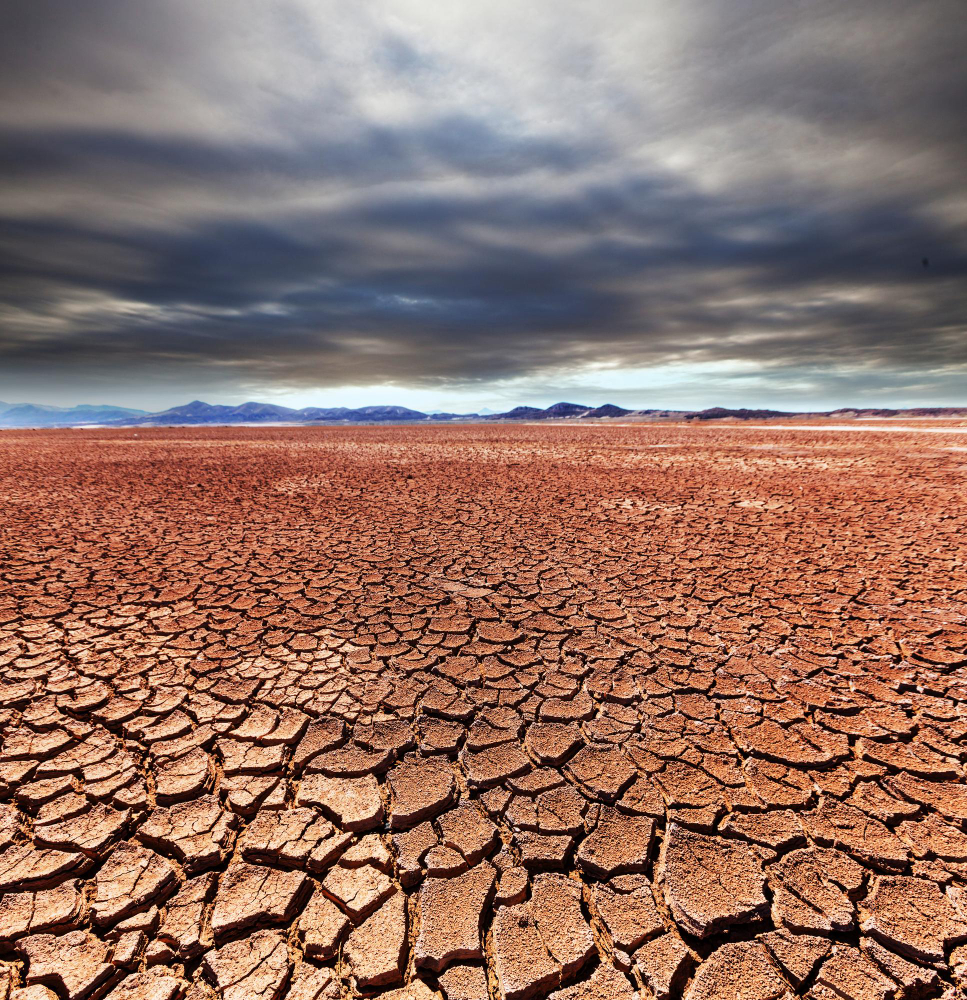 Global warming is no longer a distant concern—it’s a present-day force influencing communities, economies, and industries worldwide. One of the most affected sectors is real estate, where climate-driven changes are beginning to reshape property values, insurance costs, and investment strategies.
Rising Sea Levels and Coastal Properties
Coastal communities face the most immediate risk from rising sea levels. Homes once prized for their waterfront views are increasingly vulnerable to flooding and erosion. In some markets, buyers are becoming hesitant to invest in oceanfront or bayfront properties without strong mitigation measures, leading to declining values in at-risk areas.
Increased Insurance Costs
As extreme weather events become more frequent—wildfires, hurricanes, floods, and heatwaves—insurance companies are adjusting rates to reflect the growing risk. In some high-risk zones, coverage is either extremely expensive or no longer available. This directly impacts affordability and can limit a property’s resale potential.
Shifts in Buyer Demand
Climate risk is changing where people want to live. For example, in the U.S., migration patterns show some buyers moving away from fire-prone California regions or hurricane-prone coastal states toward areas perceived as “climate-safe.” This shift influences demand and can significantly alter regional markets over time.
Energy Efficiency and Green Building
On the positive side, global warming is pushing sustainability to the forefront. Buyers increasingly value homes with solar panels, efficient insulation, smart thermostats, and other eco-friendly features that reduce carbon footprints and lower utility bills. Properties with green certifications often command higher prices and sell faster.
Urban Planning and Zoning Changes
Cities and counties are responding to climate change with updated building codes and zoning laws. In some areas, new developments require elevated foundations, fire-resistant materials, or water-conservation systems. While these changes increase construction costs, they also enhance long-term property resilience and marketability.
The Long-Term Investment Outlook
For investors and homeowners alike, factoring climate change into real estate decisions is no longer optional. Properties in vulnerable areas may face depreciation, while those in resilient or climate-favored regions could see rising demand. Forward-looking buyers and investors should weigh not just today’s property value, but also the environmental risks of tomorrow.
✅ Bottom line: Global warming is transforming the real estate landscape. From coastal erosion to wildfire risk, from rising insurance costs to eco-friendly upgrades, climate change is now a core factor in buying, selling, and investing decisions.
Steve Cardinalli
Real Estate Professional, 01323509
(760) 814-0248
Steve@Cardinalli.com
www.Cardinalli.com
Century 21 Affiliated Fine Homes & Estates
Village Faire in Carlsbad Village
300 Carlsbad Village Dr, 223
Carlsbad, CA 92008
Be the first to know about the market trend in your community at Neighborhood News


