

 Facebook
 X
X
 Pinterest
 Copy Link
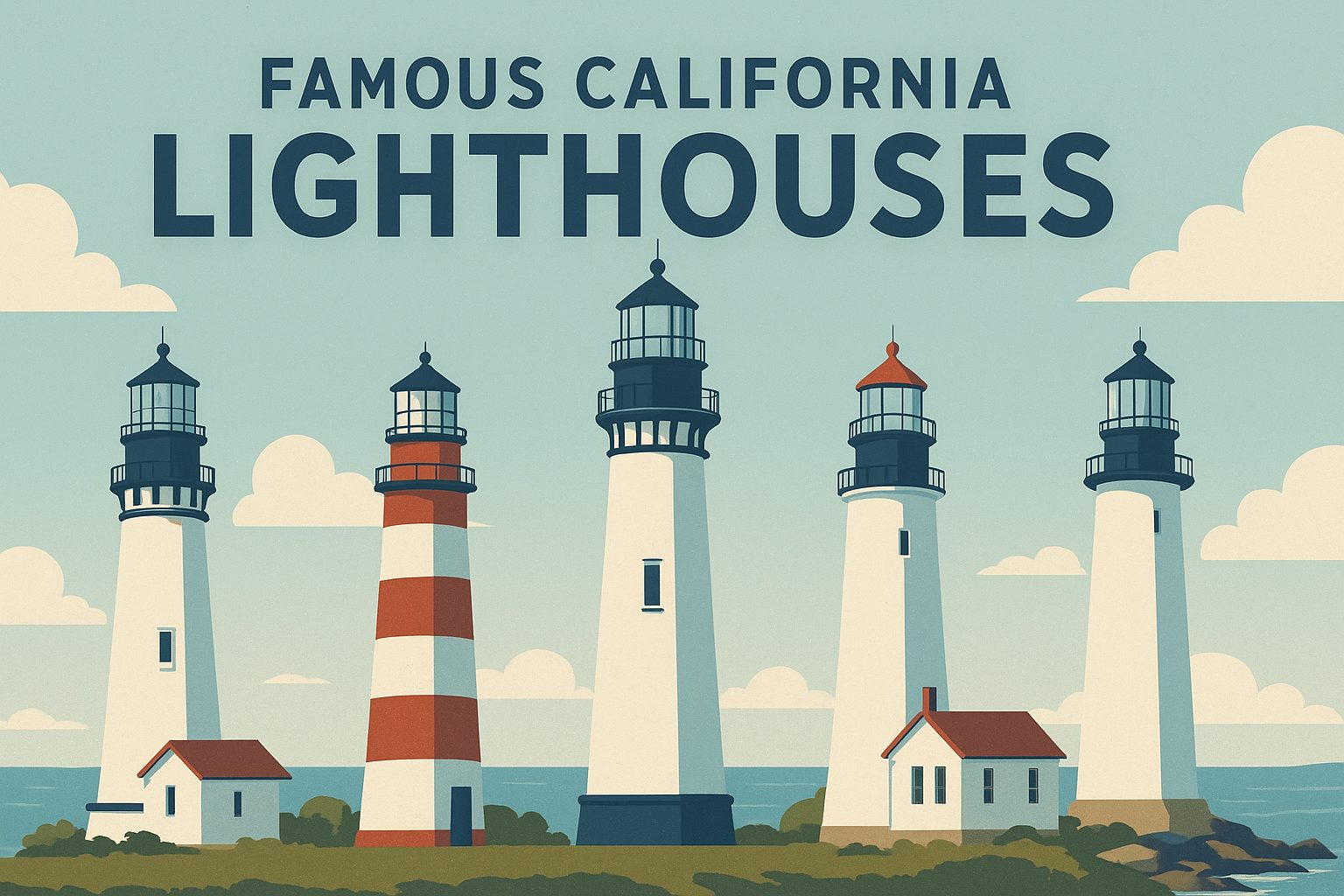
Can a Person Privately Own a Lighthouse? A Fascinating Look at Coastal Real Estate
When most people picture a lighthouse, they imagine a historic beacon standing tall on a rugged coastline—weathered by time, protected by the government, and completely off-limits to private ownership.
But here’s the twist: yes, a person can privately own a lighthouse.
In fact, many already do.
If you’ve ever dreamed of buying a one-of-a-kind coastal property, here’s what you need to know about owning a lighthouse in the United States.
A Surprising Reality: Many Lighthouses Are Privately Owned
Over the past few decades, the U.S. Coast Guard and federal government have transferred ownership of numerous historic lighthouses to private citizens, nonprofits, and local agencies.
This trend accelerated after the National Historic Lighthouse Preservation Act of 2000 (NHLPA), which allowed surplus lighthouses to be sold or gifted to qualified new caretakers.
Why?
Because maintaining aging coastal towers is expensive—and the government simply can’t keep up with the repairs, upkeep, and restoration costs.
How People Buy a Lighthouse
There are two main pathways to lighthouse ownership:
1. Free Transfers (Nonprofits or Public Agencies)
If a lighthouse is historically significant, the government often offers it for free to:
- Local educational institutions
- Historical societies
- State, county, or city governments
- Preservation groups
The catch?
They must agree to preserve, restore, and maintain the structure.
2. Public Auctions (Private Individuals)
If no qualified nonprofit steps forward, the lighthouse is listed for public auction through the General Services Administration (GSA).
At auction:
- Anyone can bid (including private buyers)
- Properties often sell between $10,000 and $400,000
- Many require extensive—and expensive—renovation
- The Coast Guard may continue to operate the light itself
Yes, that’s right:
You can own the tower, but the government may still come by to service the beacon.
What You Actually Own
Private lighthouse ownership isn’t always as straightforward as buying a house.
You may own:
- The tower
- The keeper’s quarters
- The surrounding land
- Access paths or docks (sometimes)
But you may not own:
- The active navigational light
- The immediate airspace
- Government easements for maintenance
- Parking or mainland access (for offshore lighthouses)
In some cases, owners must boat to the lighthouse—making ownership both charming and challenging.
The Responsibilities (and Realities)
Lighthouse ownership is not for the faint of heart.
Expect:
- Constant maintenance due to harsh coastal weather
- Structural repairs from saltwater erosion
- Compliance with historical preservation rules
- Limited ability to modify the structure
- Costly utilities and access issues
It may also come with:
- Public interest or visitors
- Media attention
- Tourism opportunities
- Vacation rental potential (with proper zoning)
Some owners turn their lighthouses into bed-and-breakfasts, museums, or short-term rentals.
Why People Buy Lighthouses
Despite the challenges, lighthouse buyers tend to be passionate about:
- History
- Architecture
- Coastal living
- Unique real estate
- Preservation
- Owning something truly unforgettable
Few properties offer the combination of solitude, ocean views, and iconic charm that a lighthouse provides.
Final Thoughts
So, can a person privately own a lighthouse?
Absolutely. And many do.
For adventurous buyers or history lovers, owning a lighthouse is one of the most unique real estate opportunities available in the U.S. today. With the right research, budget, and passion for preservation, a lighthouse can be more than a navigational aid—it can be your next home, business, or legacy project.
Steve Cardinalli
Real Estate Professional, 01323509
(760) 814-0248
Steve@Cardinalli.com
www.Cardinalli.com
Century 21 Affiliated Fine Homes & Estates
Village Faire in Carlsbad Village
300 Carlsbad Village Dr, 223
Carlsbad, CA 92008
Be the first to know about the market trend in your community at Neighborhood News


