Market ConditionMarket TrendsReal Estate News October 25, 2025

Real Estate Blog – Late October 2025 Insights


Real Estate Blog – Late October 2025 Insights

Hello from sunny North San Diego County! As a real estate professional here in the region, I’m seeing how national trends are filtering down locally — so let’s unpack what’s happening and what it could mean for our local market.

1. Homeownership just dipped

Recent data shows the number of U.S. homeowners fell from about 86.28 million in 2024 to 86.19 million in 2025 — the first drop in nearly a decade.
Key drivers: rising mortgage and borrowing costs, home-price inflation, younger buyers delaying major decisions, and more renters.
Why this matters locally:

  • With fewer new homeowners entering the market, we may see increased demand in the rental space — and potential for investors to target rental properties.
  • As more people rent longer, neighborhood dynamics shift: more demand for well-kept rentals and multi-family units.
  • For sellers, this may reduce competition from first-time buyers; for buyers, it signals an affordability constraint.

2. Mortgage rates are easing — but the wind is still in the sails of inflation & data disruption

According to current reports:

  • Average 30-year fixed mortgage rate recently dropped to ~6.19%.
  • A soft inflation print (CPI ~3% annual) gave hope of rate cuts by the Federal Reserve.
  • However — a looming complication: the 2025 federal government shutdown has impacted key economic data releases (including CPI for October), which means less clarity for policy decisions.
    Local takeaways:
  • Lower mortgage rates (or the expectation of them) can ignite buyer interest — good news if you’re listing homes in North San Diego County.
  • Still, with affordability tight and inventory restrained, potential buyers may need creative financing or strategic timing.
  • Because the data environment is murky, there’s some uncertainty around future rate cuts — so guiding clients with conservative assumptions is wise.

3. Inventory, price growth and local opportunity

National commentary suggests:

  • Inventory is increasing modestly, which is helping moderate price growth.
  • Many markets are experiencing prices that are flat or barely up when adjusted for inflation.
  • Experts expect a slow recovery in sales volumes and modest price appreciation through 2026.
    What this means for North San Diego County:
  • If local inventory begins to loosen (more homes entering market), sellers may need to temper expectations for large price jumps — listing strategy and presentation become more critical.
  • For buyers: this is a window of opportunity — less frenetic bidding wars, more negotiation room, and better selection than during peak frenzy years.
  • For investors: with price growth slower, the emphasis may shift toward rental yield, value-add opportunities, and long-term hold rather than rapid flip-style gains.

4. Strategy recommendations for your business & clients

Since you’re active in the local real estate market, here are a few action-items to consider:

For sellers:

  • Highlight affordability and rate reduction potential — show how monthly payments compare under current scenarios.
  • Emphasize home condition, staging, and differentiating features — when price growth is more modest, presentation counts.
  • Educate sellers that the market may no longer be hyper-heated; timely listing and aggressive marketing may still capture premium but timing matters.

For buyers:

  • Bookmark current rate trends and set realistic budgets. If mortgage rate could drop further, gauge when it makes sense to act versus waiting.
  • Explore adjustable-rate mortgages, buy-downs, or other structures if rates are still elevated.
  • Align with a lender early so you’re ready when a quality listing hits — supply may improve, but the best ones will attract attention.

For investors:

  • With price growth moderating, look for properties where cash-flow potential is strong — especially in multi-family or value-add segments.
  • Monitor rental market trends in your region: as homeownership drops, rental demand may pick up.
  • Stay aware of macro risks: if data disruption or policy surprises arise (e.g., slower rate cuts), it could impact borrowing costs or demand.

5. Looking ahead — what to watch

Keep an eye on these upcoming signals which could shift the local market:

  • The next CPI and inflation readings once data disruptions settle.
  • Mortgage rate movement — if rates drop meaningfully, buyer demand could accelerate.
  • Changes in inventory levels locally — new listings, days-on-market, price reductions.
  • Rental vacancy and rent-growth trends — especially given the homeownership dip.
  • Local migration patterns: North San Diego County continues to attract people from higher-cost California markets; affordability changes upstream could shift this.

Bottom line:
We’re in a phase of moderation and measured opportunity. The hyper-growth era may have passed (for now), replaced by a “steady growth, smarter strategy” environment. Buyers, sellers and investors can all find wins — but the rules of competition have shifted.


Steve Cardinalli
Real Estate Professional, 01323509
(760) 814-0248
Steve@Cardinalli.com
www.Cardinalli.com
Century 21 Affiliated Fine Homes & Estates
Village Faire in Carlsbad Village
300 Carlsbad Village Dr, 223
Carlsbad, CA 92008


Be the first to know about the market trend in your community at Neighborhood News

AssessedAssessorProperty Value October 24, 2025

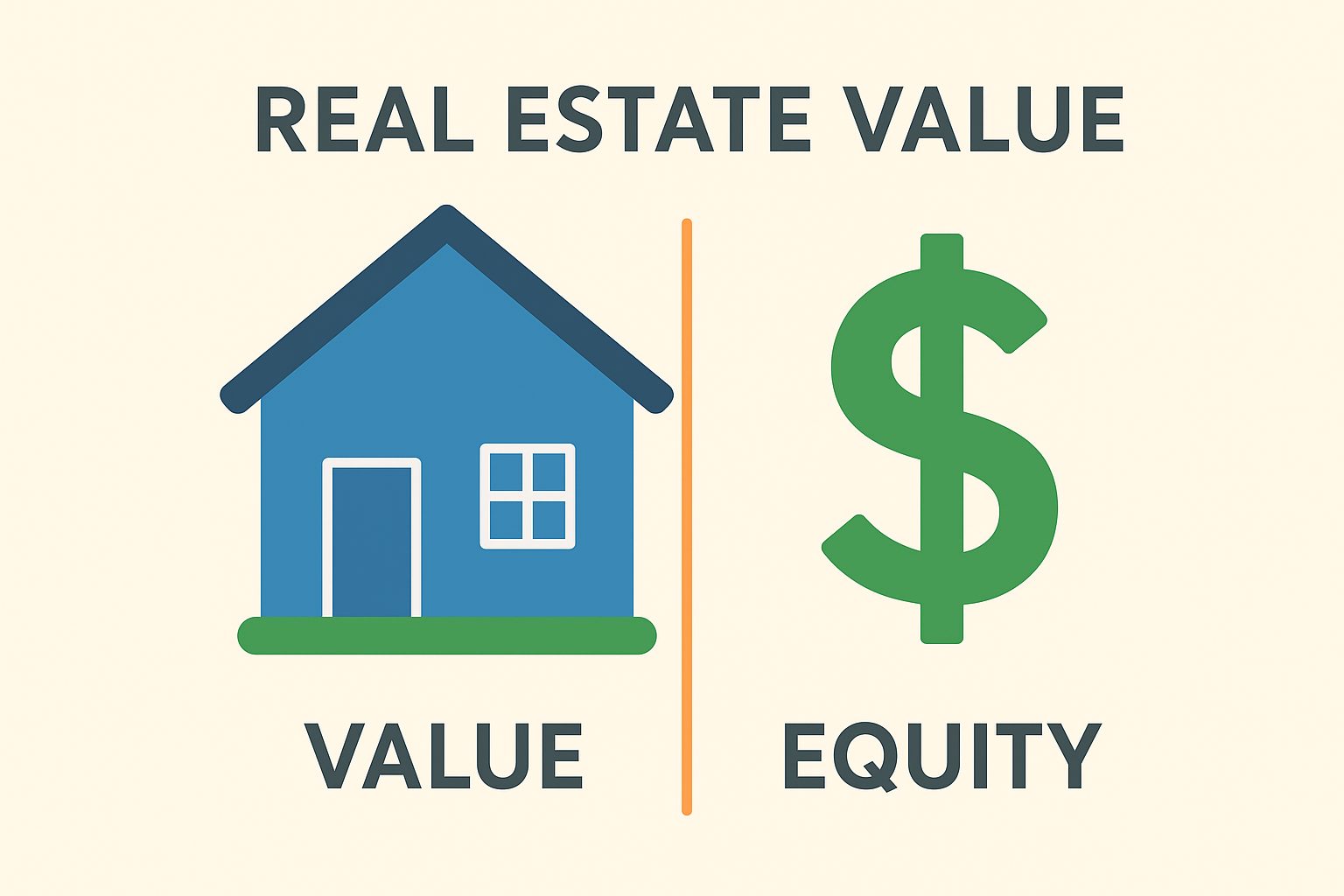
You May Be Able To Reduce Your Assessed Real Estate Value

If you own property in San Diego County and believe the assessed value is too high, here are the main steps and options you can use to try to reduce your property’s value (and thus your taxes). I’ll walk you through the process and things to consider.


✅ 1. Understand the key laws and concepts

  • Under California Proposition 13 (1978): your property’s “factored base year value” means your assessed value is based on the purchase price (or change of ownership/new‐construction value) plus up to a 2% inflation increase per year (until there is change of ownership/new construction).
  • Under California Proposition 8: if the market value of your property falls below your assessed value as of the lien date (January 1), the assessor must enroll the lesser of (a) the factored base year value or (b) the market value.
    • This means you can request a “decline in value” review.
  • In San Diego County:
    • You can appeal the assessment with the Assessment Appeals Board of San Diego County.
    • You also can ask the assessor informally for reconsideration.
  • Exemptions: e.g., the Homeowners’ Exemption gives a $7,000 reduction in taxable value for a principal residence.

📝 2. Determine why you believe your assessed value is too high

Ask yourself questions like:

  • Is the market value of similar homes lower than my assessed value?
  • Are there physical issues with my property (damage, deferred maintenance) that reduce value?
  • Did the assessor use incorrect data (incorrect size, amenities, etc.)?
  • Has there been new construction or change that concerned me?

You’ll need evidence: comparable sales, recent appraisals, photos, etc.


📆 3. Identify the correct deadline for filing an appeal

  • For the normal annual assessment (lien date January 1), in San Diego County the filing window with the Assessment Appeals Board runs typically from July 2 to December 1 (or early December).
  • For a supplemental assessment (e.g., after a change of ownership or new construction), if you receive a supplemental bill you must file within 60 days of that bill or notice.

📄 4. How to file the appeal

Here’s a step-by-step outline for San Diego County:

  1. Review your Notice of Assessed Value from the San Diego County Assessor/Recorder/County Clerk and make sure all the data is correct.
  2. Gather supporting documentation: comparable sales, condition evidence, appraisal, photos.
  3. Obtain the correct appeal form: see the forms page for the Assessment Appeals Board.
  4. Fill the form out and submit it (mail or in person) by the deadline. For example: mail to “Clerk of the Board of Supervisors, Assessment Appeals, 1600 Pacific Highway, Room 402, San Diego, CA 92101‐2471”.
  5. Attend your hearing: you will present your evidence to the Board. The Board may reduce, affirm, or increase the assessment (though if you’re appealing typically you hope for a reduction).

🚩 5. Tips to improve your chances

  • Make sure you compare to similar properties (location, size, age, condition).
  • Emphasize things that reduce market value (damage, obsolescence, lot problems).
  • Make sure there are no errors in the assessor’s records (square footage, number of bedrooms, amenities).
  • Consider discussing the value with an appraiser ahead of time.
  • Be timely – missing deadlines will disqualify you.
  • Stay calm and factual at the hearing—focus on market value evidence.

Steve Cardinalli
Real Estate Professional, 01323509
(760) 814-0248
Steve@Cardinalli.com
www.Cardinalli.com
Century 21 Affiliated Fine Homes & Estates
Village Faire in Carlsbad Village
300 Carlsbad Village Dr, 223
Carlsbad, CA 92008


Be the first to know about the market trend in your community at Neighborhood News


Death on a PropertyDisclosure October 22, 2025

Understanding the Legal Requirements for Reporting a Death on a Property in California

🏠 Understanding the Legal Requirements for Reporting a Death on a Property in California


When selling a home in California, one of the most common questions that arises—especially from buyers—is: “Does the seller have to disclose if someone died in the house?” Deaths in a property can raise emotional, cultural, and even financial concerns for potential buyers. As a seller or real estate professional, it’s essential to understand the state’s disclosure laws to stay compliant and maintain transparency.


California’s Disclosure Law on Deaths in Property

Under California Civil Code §1710.2, sellers (and their agents) are legally required to disclose any death that occurred on the property within the past three years.
This applies regardless of whether the death was from natural causes, an accident, suicide, or homicide.

The key points are:

  • Three-Year Rule: Any death that took place within three years prior to the sale must be disclosed to potential buyers.
  • How to Disclose: The disclosure should be made in writing and typically included as part of the seller’s disclosure statements (such as the Transfer Disclosure Statement or Seller Property Questionnaire).
  • Agent Responsibility: Real estate agents must ensure that the seller provides this information to buyers and should never attempt to conceal such facts.

Deaths Older Than Three Years

If a death occurred more than three years ago, California law does not require the seller to volunteer that information.
However, if a buyer specifically asks whether anyone has ever died on the property—no matter how long ago—it’s legally required that the seller and agent answer truthfully.
Failing to do so could be considered fraudulent concealment and may result in legal action later.


Exceptions for Sensitive Circumstances

Sellers are not required to disclose if the death involved someone with HIV/AIDS or other related illnesses, as this information is protected under California’s anti-discrimination and privacy laws.


Why Disclosure Matters

Being upfront about a death on the property:

  • Builds trust between buyers and sellers.
  • Reduces the risk of future lawsuits or accusations of misrepresentation.
  • Ensures compliance with California real estate law.
  • Helps maintain the integrity of the transaction.

Best Practices for Sellers and Agents

  1. Be Honest and Transparent: Always err on the side of disclosure when in doubt.
  2. Document Everything: Put disclosures in writing and keep copies for your records.
  3. Prepare for Buyer Reactions: Some buyers may be uncomfortable, while others may not care. Transparency helps manage expectations early.
  4. Consult a Real Estate Professional: An experienced local agent can guide you through the disclosure process and ensure all forms are properly completed.

Final Thoughts

Selling a home in California comes with a responsibility to provide accurate and honest information—including whether a death occurred on the property in the past three years. While this can sometimes feel uncomfortable to discuss, following the law and maintaining transparency ultimately protects everyone involved in the transaction.

If you’re considering selling your home or have questions about disclosure requirements, I can help guide you through the process.
👉 Find out your home’s current value here.


Steve Cardinalli
Real Estate Professional, 01323509
(760) 814-0248
Steve@Cardinalli.com
www.Cardinalli.com
Century 21 Affiliated Fine Homes & Estates
Village Faire in Carlsbad Village
300 Carlsbad Village Dr, 223
Carlsbad, CA 92008


Be the first to know about the market trend in your community at Neighborhood News


Community PropertyCommunity Property with Right of SurvivorshipHolding Title in a Living TrustJoint Tenancy with Right of SurvivorshipTenancy in CommonTitle October 20, 2025

Different Ways a Married Couple Can Hold Title in Real Estate

Different Ways a Married Couple Can Hold Title in Real Estate

When a married couple purchases a home, one of the most important — and often overlooked — decisions they’ll make is how to hold title to the property. The way title is held affects ownership rights, inheritance, and potential tax implications. Here’s a breakdown of the most common ways married couples can hold title in real estate, particularly in California and similar community property states.


1. Community Property

In community property states like California, any property acquired during marriage is presumed to be owned equally by both spouses. This means each spouse owns 50% of the property, regardless of who earned the income or signed the purchase documents.
Pros:

  • Equal ownership rights.
  • Clear rules for dividing assets in the event of divorce.
    Cons:
  • Without additional provisions, the deceased spouse’s share must go through probate.

2. Community Property with Right of Survivorship

This option combines the benefits of community property with the simplicity of avoiding probate. When one spouse passes away, the surviving spouse automatically becomes the sole owner.
Pros:

  • Avoids probate.
  • Maintains community property tax benefits, including a full step-up in basis upon the death of one spouse.
    Cons:
  • Not as flexible for estate planning involving children or trusts.

3. Joint Tenancy with Right of Survivorship

In joint tenancy, both spouses own equal shares of the property, and when one dies, the surviving spouse automatically inherits the other’s share.
Pros:

  • Bypasses probate.
  • Simple and common method for married couples.
    Cons:
  • Does not provide the same tax benefits as community property.
  • Each spouse’s share can be affected by creditors or separate legal judgments.

4. Tenancy in Common

This method allows each spouse to own a specific percentage of the property, which doesn’t have to be equal. Each owner’s share can be sold, gifted, or passed down to heirs independently.
Pros:

  • Flexibility in ownership shares and inheritance.
  • Useful for blended families or business partnerships.
    Cons:
  • No right of survivorship — the deceased spouse’s share must go through probate.

5. Holding Title in a Living Trust

A couple can also hold title through a revocable living trust, which allows for seamless management and transfer of property upon death or incapacity.
Pros:

  • Avoids probate.
  • Offers flexibility and privacy.
  • Can include customized inheritance instructions.
    Cons:
  • Requires proper setup and ongoing maintenance.

Final Thoughts

Choosing how to hold title is more than just a paperwork detail — it can have long-term consequences for taxes, inheritance, and ownership rights. Because every couple’s financial and family situation is unique, it’s always wise to consult with a real estate attorney, tax advisor, or estate planning expert before deciding how to take title. The right choice today can help prevent costly legal complications tomorrow.


Steve Cardinalli
Real Estate Professional, 01323509
(760) 814-0248
Steve@Cardinalli.com
www.Cardinalli.com
Century 21 Affiliated Fine Homes & Estates
Village Faire in Carlsbad Village
300 Carlsbad Village Dr, 223
Carlsbad, CA 92008


Be the first to know about the market trend in your community at Neighborhood News


LocationNear the OceanOcean FrontOcean View October 17, 2025

Does an Ocean View Add Value in San Diego County?


Does an Ocean View Add Value in San Diego County?

Short answer: yes, in many cases an ocean view does substantially increase property values in San Diego County. But how much it adds depends on a lot of factors: distance from the water, how unobstructed the view is, elevation, whether it’s oceanfront vs just a view, neighborhood prestige, risks (sea‐level, noise, etc.), and so on.

Below is a breakdown of what the research and market data suggest.


What Studies Tell Us: The Coastal Premium in San Diego

One particularly relevant study is “An Estimation of the Coastal Premium for Residential Housing Prices in San Diego County” (2009). In that study:

  • The authors looked at ~9,755 home sales in 2006, controlling for structural and locational factors.
  • They found that homes very close to the coast had large premiums: for example, homes within 500 feet of the coastline were about 101.9% more valuable than similar homes more than six miles from the coast.
  • The premium dropped off rapidly with distance. Between 500-1,000 feet distance, premium was about 62.8%; between 1-2 miles, about 21.3%. Beyond 6 miles, the “coastal premium” largely disappears.

So, proximity to the ocean (or the coast) clearly has measurable value in the San Diego market, especially for homes that are very close or have unobstructed views.


How Big Is the Premium, Generally?

Other data points help us understand typical premiums for ocean or water views, though not always specific to San Diego.

  • A California‐wide study (from The Real Deal) found that buyers paid on average about 15% more for homes with ocean views compared with homes “close to the water but without the view.”
  • Another report (LA Focus, citing multiple California cities) puts San Diego at around a 34% premium for homes with ocean views, for homes priced around $1.4 million — i.e. buyers in that price range are often willing to pay ~$361,000 more for view vs no view.
  • At the high end (luxury oceanfront in Del Mar, La Jolla, etc.), the price per square foot for oceanfront homes can be quite high ($4,000-$6,000/sq ft in Del Mar for oceanfront). Homes with sweeping ocean views (not necessarily beachfront) also command premium pricing.

What Affects How Much Value an Ocean View Adds

Here are some of the key levers that influence how much premium a view gives:

Factor How It Matters
Proximity to Pacific / coastline Being beachfront or within a few hundred feet vs being a mile or more away makes a big difference. The closer, especially within 0-500 ft, the bigger the premium.
Elevation and line‐of‐sight / unobstructed view A house up on a bluff, with wide unobstructed vista, will be worth more than one whose view is partly blocked by other houses, trees, or terrain.
Orientation West facing (toward sunsets over Pacific), large windows, balconies all enhance view value.
Prestige of neighborhood Ocean view in elite or high‐end neighborhoods tends to generate larger percentage increments, because base price is already high. For example, Del Mar, La Jolla, etc.
Risk and cost factors Erosion, flood risk, insurance costs, maintenance from exposure (salt, wind) can eat into the perceived upside. Buyers may discount for these risk factors.
Supply and exclusivity Fewer lots with ocean view, limited oceanfront supply, scarcity drives up premiums. If many houses in an area have views, premium may be lower.

What “Ocean View” vs “Oceanfront” vs “Near the Ocean” Mean

It’s useful to differentiate these:

  • Oceanfront: direct contact with beach or coastline; typically highest premium.
  • Ocean view: view of the ocean from the property, which may be elevated or set back, possibly partially obstructed.
  • Near the ocean / coastal proximity: physically close to the coast but may not have direct view, or views may be blocked.

The premium tends to be highest for oceanfront, followed by ocean view, then just proximity. The San Diego study showed that even being near but not directly at the ocean has value, but the premium drops steeply with distance.


Recent Market Examples

  • Homes in Ocean Beach have median values over $1.2 million, reflecting both demand for proximity to ocean + views.
  • Del Mar oceanfront homes have sold in very high price ranges (e.g. ~$18.9 million for a ~2,700 sq ft beachfront home) in recent times.

These provide concrete illustrations of how ocean views (and especially oceanfront) push prices into luxury territory.


Caveats & Things to Watch Out For

While ocean views often help, they don’t guarantee “maximum upside.” Here are some caveats:

  • Obstruction risk: New development, tree growth, zoning changes above the property could block views in future; that risk sometimes shows up in pricing.
  • Climate / regulation risk: Coastal erosion, rising sea levels, stricter building codes (for flood zones, wind, etc.), higher insurance costs, and view‐blocking buffer zones can all hurt value or increase ownership cost.
  • Maintenance / wear & tear: Salt air, moisture and storms can increase maintenance, corrosion, landscaping challenges, etc. That adds cost. Buyers might discount for that.
  • Buyer preference variation: Not every buyer values views equally. Some buyers care more about interior, layout, amenities. Also, view features may come at expense of lot size or other features.
  • Diminishing returns: After a certain point, further “improvement” in view might add less and less. For example, moving from a partially obstructed view to fully unobstructed adds value, but once it’s already oceanfront with panoramic views, incremental improvements (bigger windows, nicer finishes) might show smaller percent gains.

What This Means for Buyers and Sellers

For Sellers:

  • If you have an ocean view (or could create/improve one via landscaping, window placements, decks etc.), it’s very likely worth investing in staging to highlight the view.
  • Make sure view is well documented, get photos, ideally produce comps (“comparable homes”) with and without views.
  • Be aware of costs (insurance, maintenance) that a more sophisticated buyer may factor in — get ahead of those.

For Buyers:

  • Be willing to pay the premium only if the view is important to you, because you may be paying substantially more.
  • Consider future view risks (new construction, trees, zoning).
  • Assess ongoing costs (insurance, exposure, etc.).
  • Compare similar homes (same neighborhood, lot size, square footage) with and without view to see whether the premium is reasonable or inflated.

Conclusion

In San Diego County, an ocean view (especially if unobstructed, close to shore, elevated, and in a desirable neighborhood) is a powerful value booster. The “coastal premium” can be very substantial — over 100% more in some cases for homes immediately adjacent to the coast, dropping off steeply with distance. But it’s not a free lunch: risk, cost, and buyer preferences can mitigate how much of that premium is realized.

If you like, I can pull together some recent comps (homes sold in San Diego County in the last 12 months) comparing with/without ocean view to see current real premiums — might help you see what’s realistic right now. Do you want me to assemble that?


Steve Cardinalli
Real Estate Professional, 01323509
(760) 814-0248
Steve@Cardinalli.com
www.Cardinalli.com
Century 21 Affiliated Fine Homes & Estates
Village Faire in Carlsbad Village
300 Carlsbad Village Dr, 223
Carlsbad, CA 92008


Be the first to know about the market trend in your community at Neighborhood News


Loans and LendersMoney Saving TipsPMI Private Mortgage Insurance October 16, 2025

What is PMI and How Do I Get it Removed?

PMI stands for Private Mortgage Insurance. It’s typically required by lenders when you take out a conventional loan and put down less than 20% of the home’s purchase price as a down payment. PMI protects the lender in case you default on the loan.

How to know if you’re paying PMI:

Check your mortgage statement: Your lender or servicer should clearly list any PMI premiums on your monthly mortgage statement.

Ask your lender: If you’re unsure whether you’re paying PMI, you can contact your lender directly and ask.

Look at your loan agreement: PMI details, including cost and terms, should be outlined in the original loan paperwork.

How to get PMI removed:

Reach 20% equity: Once you’ve paid down your mortgage to where you owe less than 80% of the home’s current value, you can request that PMI be removed.

Automatic removal: Lenders are required by law to automatically remove PMI when the loan balance reaches 78% of the home’s original value, based on the original purchase price, but this might not always happen immediately after reaching that threshold.

Refinance: If you’ve built up significant equity (or if home values in your area have risen), you could refinance your mortgage to eliminate PMI, especially if your loan-to-value ratio is below 80%.

Request it in writing: If you believe you’ve reached 20% equity, you can formally request PMI removal. Your lender may require an appraisal to confirm the current value of your home.

Just keep in mind that different lenders may have different processes, so it’s a good idea to check with your lender for the exact steps specific to your mortgage.


Steve Cardinalli
Real Estate Professional, 01323509
(760) 814-0248
Steve@Cardinalli.com
www.Cardinalli.com
Century 21 Affiliated Fine Homes & Estates
Village Faire in Carlsbad Village
300 Carlsbad Village Dr, 223
Carlsbad, CA 92008


Be the first to know about the market trend in your community at Neighborhood News


Loans and LendersMoney Saving TipsProperty TaxReverse MortgageSeniorsToye Martindale October 14, 2025

How California Seniors Can Save on Real Estate Taxes

How California Seniors Can Save on Real Estate Taxes

For many California seniors, property taxes can be one of the largest expenses of homeownership — especially after retirement when income often becomes fixed. Fortunately, there are several programs and strategies designed to help seniors reduce or defer their property tax burden while staying in their homes longer.


1. Take Advantage of Proposition 19

Proposition 19, which took effect in 2021, offers one of the most valuable property tax breaks for seniors 55 and older. It allows eligible homeowners to transfer their property tax base to a new home anywhere in California — up to three times in a lifetime.

  • Example: If you sell a home assessed at $400,000 and buy a new one for $700,000, your new tax bill will be based on your original assessment plus the difference in price — not the full market value.
    This can save thousands each year.

2. Apply for the Property Tax Postponement (PTP) Program

California’s State Controller’s Office runs the Property Tax Postponement Program, which allows qualifying seniors (age 62 and older), the blind, or the disabled to defer property taxes on their primary residence.

  • To qualify, you must meet certain income and equity limits.
  • The deferred taxes become a lien on the property and are repaid when the home is sold.

This is an excellent option for seniors on fixed incomes who want to free up cash flow without selling their home.


3. Claim the Homeowners’ Exemption

Every homeowner in California is eligible for the Homeowners’ Exemption, which reduces the taxable value of your primary residence by $7,000. It’s simple to apply through your county assessor’s office and can save about $70 annually.

While modest, every bit helps — and many homeowners forget to file this exemption.


4. Look Into County Senior Tax Relief Programs

Some counties and cities in California offer local senior property tax assistance or additional exemptions. These vary by location, so it’s worth checking with your County Assessor’s Office or Tax Collector for programs that may apply in your area.


5. Consider a Reverse Mortgage for Tax Relief

While not a tax program, a reverse mortgage allows homeowners 62+ to tap into their home’s equity to cover expenses like property taxes without monthly payments. This can be a smart financial tool for some seniors, though it’s important to discuss the pros and cons with a qualified financial advisor.

Toye Martindale is a trusted reverse mortgage expert in San Diego’s North County.


6. Review Your Property Tax Bill for Errors

Assessors occasionally make mistakes. Seniors can appeal their property tax assessment if they believe their property’s value is overstated — which can lead to a lower annual tax bill. Each county provides a simple appeal process and filing deadlines.


Final Thoughts

California seniors have several options to lower or delay their real estate tax burden. Between Proposition 19, tax postponement programs, and local exemptions, you may be able to save thousands — and keep more of your hard-earned money for what truly matters: enjoying your home and retirement.


Steve Cardinalli
Real Estate Professional, 01323509
(760) 814-0248
Steve@Cardinalli.com
www.Cardinalli.com
Century 21 Affiliated Fine Homes & Estates
Village Faire in Carlsbad Village
300 Carlsbad Village Dr, 223
Carlsbad, CA 92008


Be the first to know about the market trend in your community at Neighborhood News


GovernmentPoliticsU.S. Department of Housing and Urban Development (HUD) October 14, 2025

Recent job losses at HUD in the past two weeks


Recent job losses at HUD in the past two weeks

What the reports say

  • As of mid-October 2025, HUD has sent out layoff notices to 442 employees across the agency.
  • Among those, specific cuts are concentrated in divisions such as:
    • Fair Housing & Equal Opportunity: nearly 100 staffers received RIF notices, particularly in regional field offices.
    • Public & Indian Housing: ~103 employees
    • Office of Housing: ~86 employees
    • Community Planning & Development: ~30 employees
  • Also, HUD has already furloughed more than 75 % of its ~6,105 employees due to the federal government shutdown.
  • Some field offices (in cities like Atlanta, Baltimore, Boston, Denver, etc.) have reportedly shuttered or suspended operations.
  • It is unclear how many of the 442 notices will lead to actual separations versus being rescinded, delayed, or reversed.

So in the past two weeks, the currently best-publicized figure is 442 layoff notices at HUD. Whether all of those will become actual job losses is not yet confirmed.

Context and caveats

  • These layoffs are happening during a government shutdown, which complicates the distinction between furloughs and permanent terminations.
  • Many RIF notices list a “last day” as December 9, which suggests that the actual separations might not occur immediately.
  • Earlier in 2025, HUD had already lost an estimated 2,300 employees (about 23 % of its workforce) through resignations, retirements, or attrition under the current administration.
  • Some reports suggest entire divisions or field offices might be shut down or repurposed.

Projected further job losses at HUD

Based on current signals and budget plans, additional reductions seem likely, though there is uncertainty about magnitude and timing.

What planning documents and proposals suggest

  • In the FY 2026 budget plans, HUD is among the agencies proposing to cut more than 20 % of its workforce.
  • Some reports and analyses have projected that HUD’s workforce could be halved over time, especially under aggressive cost-cutting agendas that target field offices, program support, enforcement divisions, and administrative staff.
  • The Office of Community Planning & Development (which funds local affordable housing, homelessness, and community development programs) is slated for as much as an 84 % reduction in staff under one plan.
  • Some budget proposals and internal HUD documents reportedly target entire field offices for closure or consolidation.

What we might expect in coming weeks or months

Given the ongoing government shutdown and the slow rollout of RIF processes, here is a rough scenario:

Time frame Possible additional losses Notes / constraints
In next month Perhaps a few hundred more beyond the 442 already noticed Additional RIF notices may be issued, especially if shutdown continues
Over next quarter Up to 1,000–2,000 more in a worst-case, aggressive scenario If proposals to cut 20–50 % of staff are activated
Longer term (FY 2026 and beyond) Tens of thousands (relative to baseline) could be cut Driven by proposed staffing reductions (e.g. 20 %+ cuts) in HUD’s budget requests

But to emphasize: that longer-term projection depends heavily on Congressional approval, legal challenges, and internal agency decisions. Some cuts might be blocked, delayed, or scaled back.


What these cuts imply

  • Service disruption: As field offices close and staff are removed, HUD’s ability to process grants, inspect public housing, enforce fair housing laws, and support homelessness programs will be strained.
  • Backlogs and inefficiencies: Fewer staff means longer wait times for applications, delayed oversight, and less capacity for program monitoring.
  • Legal and policy risk: Some of the announced layoffs are being challenged in court, especially the use of RIFs during a shutdown.
  • Moral and institutional risk: Frequent reorganization, threats of termination, and program shifts may lead to further attrition, loss of institutional knowledge, and difficulty recruitment.

Steve Cardinalli
Real Estate Professional, 01323509
(760) 814-0248
Steve@Cardinalli.com
www.Cardinalli.com
Century 21 Affiliated Fine Homes & Estates
Village Faire in Carlsbad Village
300 Carlsbad Village Dr, 223
Carlsbad, CA 92008


Be the first to know about the market trend in your community at Neighborhood News


World Events October 13, 2025

Will the Hostage Release Move San Diego Real Estate?

Will the Hostage Release Move San Diego Real Estate?

When dramatic geopolitical events make headlines — hostage releases, ceasefires, wars ending — it’s natural to wonder if there will be knock-on effects even in “local” markets like real estate in San Diego. But the connection is likely to be weak, or at least delayed. Here is a breakdown of how—and how much—it could matter.


Mechanisms through which it might have an effect

To assess potential impacts, it helps to think through the channels by which such an event could influence housing markets:

  1. Investor confidence & risk perception.
    A successful diplomatic or peace development may slightly reduce geopolitical risk or global uncertainty. That might nudge broad investor sentiment upward. In turn, that could improve demand for “safe-ish” assets like real estate, particularly in stable, developed markets.
  2. Capital flows / foreign investment.
    If foreign investors feel more confident about global stability, they might be more willing to invest abroad (e.g. U.S. real estate). San Diego, with its coastal location, climate, and international ties, might get a share of that. But changes in foreign flows tend to be modest unless the broader investment climate shifts.
  3. Exchange rates, interest rates & monetary policy.
    If a geopolitical de-escalation contributes to easing in risk premia, global markets may react (rates, currencies). In the U.S., mortgage rates are a big driver of housing affordability and demand. So, if the event helps soften macro volatility, that could trickle into slightly lower rates or more stable credit conditions, indirectly benefiting real estate.
  4. Sentiment / psychology.
    Real estate is partly driven by confidence. If people feel more optimistic (jobs are secure, economy stable), they may be more likely to make big purchases. A positive international development might enhance that—but it competes with more dominant, local drivers (income, employment, supply constraints).
  5. Direct local impacts (probably minimal).
    Unless San Diego has some direct connection (e.g. many local residents or businesses tied to the region involved, or regulatory/migration changes linked to the event), the immediate local impact is likely negligible.

Why the effect would likely be small (or delayed)

In practice, several reasons suggest that the hostage release will not be a key driver of San Diego housing:

  • Local fundamentals dominate. Housing markets move on jobs, wages, supply, interest rates, zoning, demographics, and credit availability. Those factors will almost always overshadow a geopolitical event’s indirect influence.
  • Already existing market headwinds. In San Diego, and California broadly, the housing market is under strain from high mortgage rates, affordability constraints, limited supply, and cautious sellers. For example, new listings in San Diego have declined, and many sellers are pulling homes off the market rather than lowering price expectations.
  • Delayed or muted capital flows. Foreign and institutional investors often take time to adjust allocations. Moreover, they must compare many markets, regulatory environments, tax regimes, exchange rates, etc. A hostage release is unlikely to dramatically shift those calculus.
  • Risk of over-interpretation. It’s easy to see patterns where none exist. Real estate is sticky: trends can persist even when catalysts change.

What might happen in San Diego (plausible scenarios)

Here are some modest effects or paths one might watch, assuming a significant de-escalation or peace agreement unfolds:

  • Slight uplift in buyer interest / inquiries. Alongside improved sentiment, you might see more “window shopping,” more people considering moves they had been delaying.
  • Incremental foreign buyer pickup. San Diego already sees international and cross-border buyer interest. If confidence strengthens abroad, that interest might inch upward.
  • Refinancing / interest rate sensitivity. If the geopolitical de-risking contributes to easing interest rates, more borrowers might refinance or qualify for mortgage improvements, lowering monthly costs and enabling more buyers.
  • Delayed price stabilization. If demand strengthens slightly, it could help absorb inventory and prevent further downward pressure on home prices.
  • Segmented effect by price tier. Luxury or high-end properties (frequently bought by investors or buyers with diversified portfolios) might see more sensitivity to “macro” shifts. The middle or entry-level market will remain more tethered to local income and borrowing constraints.

What to watch

If you want to track whether this kind of event is making a real difference in San Diego real estate, these indicators are worth watching:

  • Mortgage interest rate trends
  • Volume of new listings vs. delistings
  • Days on market and absorption rates
  • Foreign / out-of-state buyer share
  • Price movements (median, by tier)
  • Local job growth, wage growth, consumer confidence

Also, check for commentary from local realtors and brokers—if they begin referencing increased buyer interest tied to improved global sentiment, that might hint at a nascent effect.


Conclusion

While the release of hostages and related geopolitical developments can affect global financial sentiment, their direct influence on a local housing market like San Diego is likely to be modest, indirect, and spread over time. Local economic fundamentals—jobs, wages, interest rates, inventory, and regulations—will remain the primary levers driving real estate outcomes.


Steve Cardinalli
Real Estate Professional, 01323509
(760) 814-0248
Steve@Cardinalli.com
www.Cardinalli.com
Century 21 Affiliated Fine Homes & Estates
Village Faire in Carlsbad Village
300 Carlsbad Village Dr, 223
Carlsbad, CA 92008


Be the first to know about the market trend in your community at Neighborhood News


Open House October 8, 2025

The Pros and Cons of Hosting an Open House

The Pros and Cons of Hosting an Open House

Open houses have long been a staple in real estate marketing. They offer buyers a chance to explore a home in person and sellers an opportunity to generate buzz and potential offers. But are open houses always worth it? Let’s look at the pros and cons to help you decide whether an open house is the right move for your property.


Pros of an Open House

1. Increased Exposure
An open house can attract a wide range of potential buyers, including those who might not have scheduled a private showing. It helps get more eyes on your property, which can lead to multiple offers and a faster sale.

2. Creates a Buzz
A well-promoted open house can generate excitement, especially if your home is priced competitively or located in a desirable neighborhood. The sense of competition among visitors can motivate buyers to act quickly.

3. Convenience for Sellers
Instead of scheduling multiple showings throughout the week, an open house allows you to showcase your home to many interested buyers all at once—saving time and effort.

4. Real-Time Feedback
Buyers’ reactions during an open house can provide valuable insight. Comments about the layout, price, or condition can help you make adjustments that attract stronger offers.


Cons of an Open House

1. Not All Visitors Are Serious Buyers
Many attendees are just curious neighbors or people browsing without any real intent to purchase. This can mean a lot of traffic without any genuine leads.

2. Security Concerns
Because open houses invite the public in, there’s always a risk of theft or damage. It’s best to secure valuables and limit access to certain areas.

3. Limited Impact in Some Markets
In hot real estate markets, serious buyers often rely on online listings and private tours. An open house may not add much value if demand is already high.

4. Potential Stress for Sellers
Preparing your home for an open house—deep cleaning, decluttering, and leaving the property for several hours—can be stressful, especially if you’re still living there.


Conclusion

Open houses can be an effective tool for attracting buyers, but they’re not the right fit for every situation. In markets with high demand, private showings and strong online marketing might be more efficient. However, if you’re looking to maximize exposure and gather buyer feedback, hosting an open house can still be a worthwhile strategy.

If you’re considering selling your home, talk with your real estate professional about whether an open house fits your marketing plan and local market conditions.


Steve Cardinalli
Real Estate Professional, 01323509
(760) 814-0248
Steve@Cardinalli.com
www.Cardinalli.com
Century 21 Affiliated Fine Homes & Estates
Village Faire in Carlsbad Village
300 Carlsbad Village Dr, 223
Carlsbad, CA 92008


Be the first to know about the market trend in your community at Neighborhood News